VAUXHALL · VAUXHALL CARLTON · Cars
VAUXHALL CARLTON Uncommon
As of 2025 Q4, 1,110 VAUXHALL CARLTONs remain registered in the UK — an increasingly uncommon sight on today's roads. That's down from a peak of 1,465 in 2014 Q3 — only 76% of the high-water mark, a loss of about 355 cars. They're disappearing at roughly 18 a year (1.7% of what's left), a pace that would halve the survivors by around 2066 if it held — though in practice the last, most-cherished examples tend to linger far longer. Tellingly, 86% are declared SORN — kept off the road in garages and barns rather than driven, the signature of a car being looked after rather than used up.
Survivors over time
How rare is it?
Uncommon — a few thousand still about (1,110).
Rarer than 33% of the 2,408 UK car models we track.
Fuel breakdown
📉 Rate of decline
Disappearing at about 18 a year (1.7% of survivors). At that pace roughly 1,021 would remain in 5 years, and half the current fleet is gone by around ~2066.
About the CARLTON
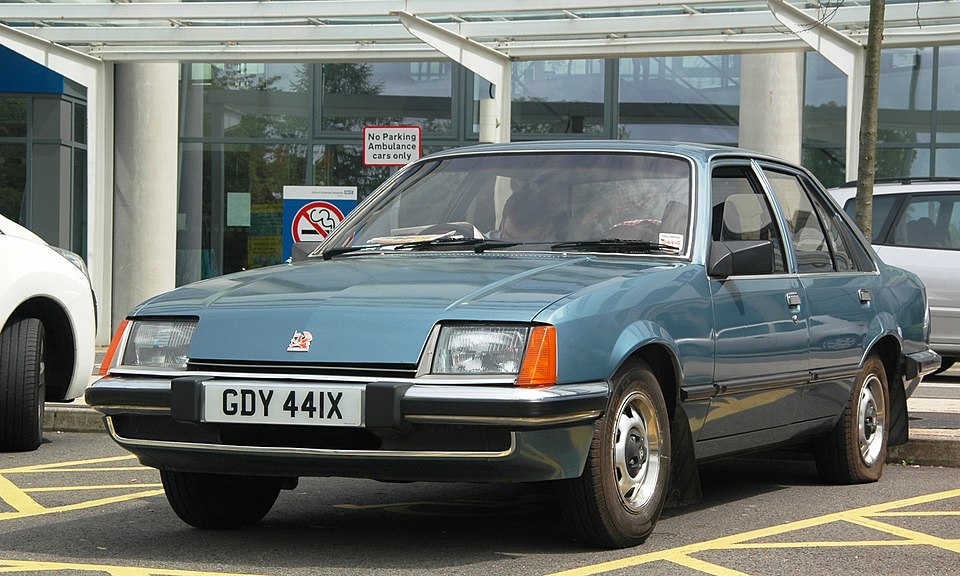
The Vauxhall Carlton is a series of large family car/executive car sold in two distinct generations by the Vauxhall division of GM Europe between 1978 and 1994. The Carlton was based on the Opel Rekord E (Mk.1) and Omega A (Mk.2). With the exception of the pre-facelift Mk.1 cars, most Carltons were manufactured by Opel in Rüsselsheim, and differed only from their Opel Rekord/Omega sisters in badging and trim. It was replaced by the Omega B in 1994, mirroring the standardisation of model names across both GM Europe brands.
VAUXHALL CARLTON — questions & answers
How many VAUXHALL CARLTON are left in the UK?
As of 2025 Q4, 1,110 VAUXHALL CARLTON were still registered in the UK — 157 licensed and on the road, plus 953 declared SORN (off-road). The figures come from official DVLA vehicle licensing data.
Is the VAUXHALL CARLTON rare?
The VAUXHALL CARLTON is uncommon, with 1,110 still about, making it rarer than 33% of the 2,408 UK car models we track.
Is the VAUXHALL CARLTON increasing or decreasing?
Over the last year the number of VAUXHALL CARLTON on UK roads fell by 13 (1.2%). At the current rate of decline, roughly 1,021 would remain in 5 years.
What fuel do most VAUXHALL CARLTON use?
Most VAUXHALL CARLTON run on petrol — about 97% of those still registered, with the rest split across diesel, gas (lpg).
When did the VAUXHALL CARLTON peak?
The VAUXHALL CARLTON peaked at 1,465 registered in 2014 Q3, and was first recorded in the data in 2014 Q3.