MAZDA · MAZDA E SERIES · Cars
MAZDA E SERIES Ultra-rare
As of 2025 Q4, 3 MAZDA E SERIESs remain registered in the UK — one of the rarest cars in Britain on today's roads. That's down from a peak of 5 in 2016 Q1 — only 60% of the high-water mark, a loss of about 2 cars. They're disappearing at roughly 0 a year (14.9% of what's left), a pace that would halve the survivors by around 2029 if it held — though in practice the last, most-cherished examples tend to linger far longer. In all, the MAZDA E SERIES is rarer than 87% of the 2,408 UK car models we track, putting it firmly in 2025's endangered class.
Survivors over time
How rare is it?
Genuinely rare — only 3 left on UK roads.
Rarer than 87% of the 2,408 UK car models we track.
Fuel breakdown
📉 Rate of decline
Disappearing at about 0 a year (14.9% of survivors). At that pace roughly 1 would remain in 5 years, and half the current fleet is gone by around ~2029.
About the E SERIES
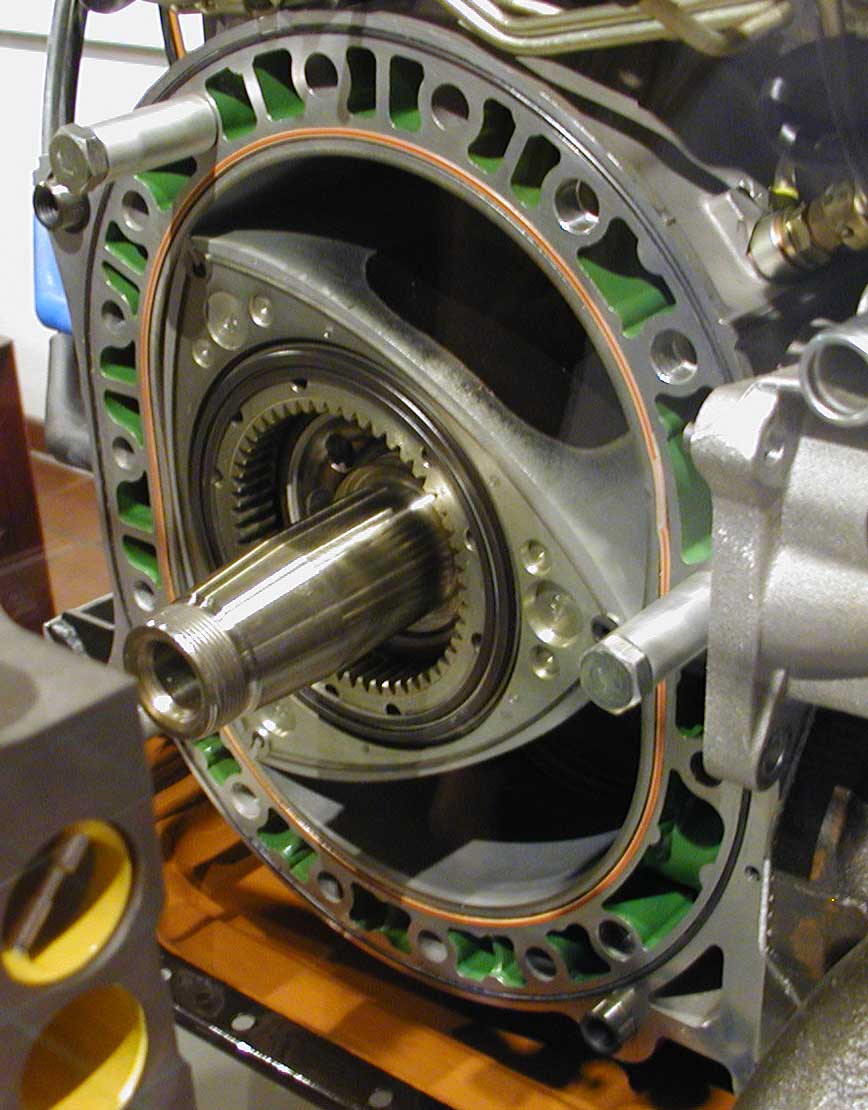
The Mazda Wankel engines are a family of Wankel rotary combustion car engines produced by Mazda. Wankel engines were invented in 1950s by Felix Wankel, a German engineer. Over the years, displacement has been increased and turbocharging has been added. Mazda rotary engines have a reputation for being relatively small and powerful at the expense of poor fuel efficiency. The engines became popular with kit car builders, hot rodders and in light aircraft because of their light weight, compact size, tuning potential and inherently high power-to-weight ratio—as is true for all Wankel-type engines....
MAZDA E SERIES — questions & answers
How many MAZDA E SERIES are left in the UK?
As of 2025 Q4, 3 MAZDA E SERIES were still registered in the UK — 0 licensed and on the road, plus 3 declared SORN (off-road). The figures come from official DVLA vehicle licensing data.
Is the MAZDA E SERIES rare?
The MAZDA E SERIES is genuinely rare, with only 3 left, making it rarer than 87% of the 2,408 UK car models we track.
Is the MAZDA E SERIES increasing or decreasing?
Over the last year the number of MAZDA E SERIES on UK roads held steady. At the current rate of decline, roughly 1 would remain in 5 years.
What fuel do most MAZDA E SERIES use?
Most MAZDA E SERIES run on petrol — about 67% of those still registered, with the rest split across diesel.
When did the MAZDA E SERIES peak?
The MAZDA E SERIES peaked at 5 registered in 2016 Q1, and was first recorded in the data in 2014 Q3.